
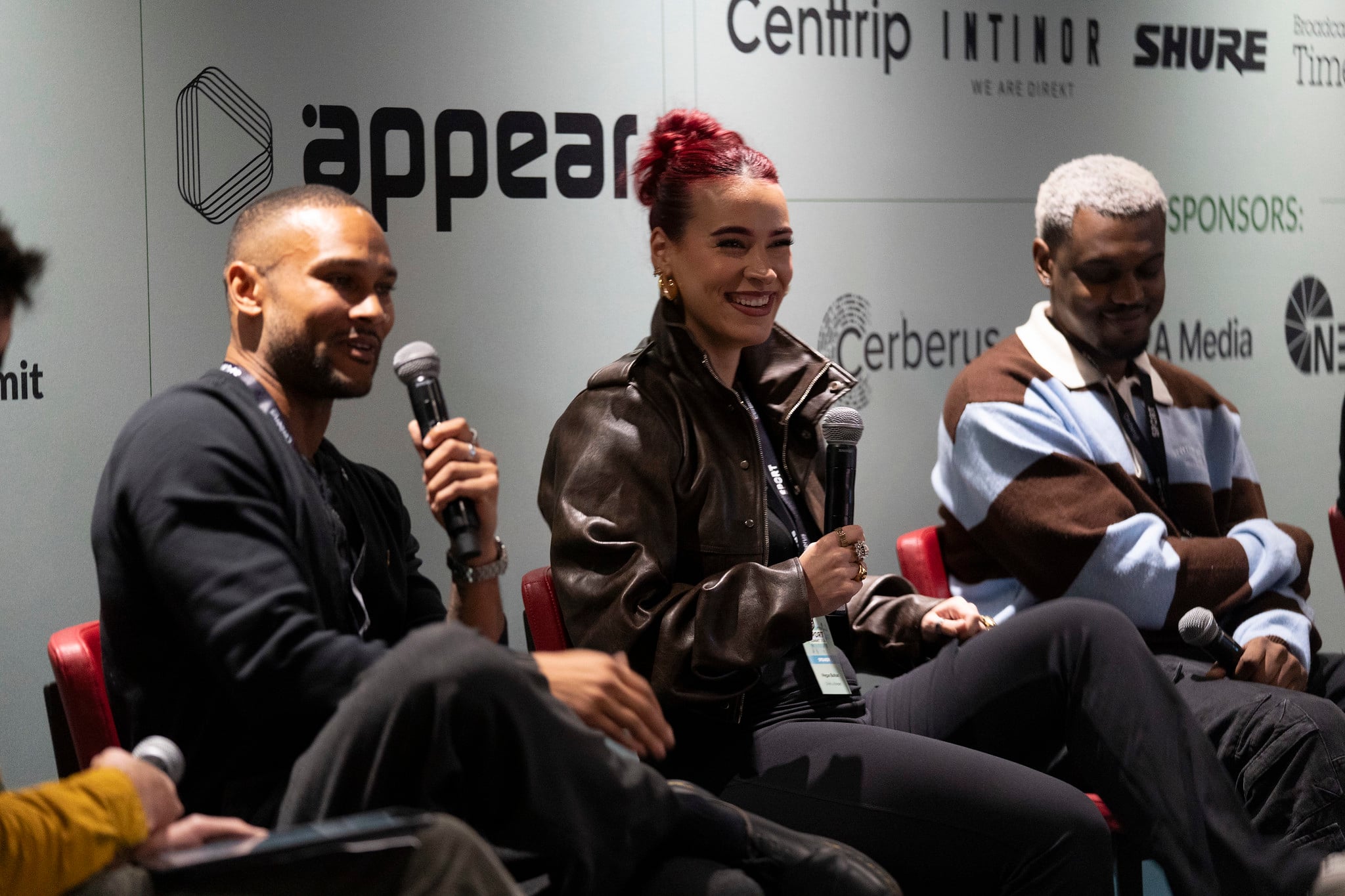
Key takeaways from the Broadcast Sport Summit 2026
The battle for sports audiences is not between creators and broadcasters. The real story is how those audiences now move seamlessly between both.
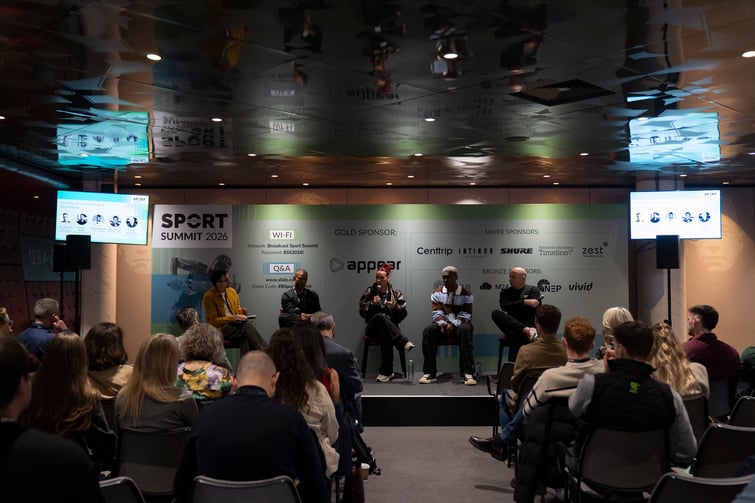
In recent years, discussions around creators in sport carried an assumption that the creator economy would eventually settle into a supporting role alongside traditional broadcast media. Instead, creator-led media has become one of the most influential forces in the sports content ecosystem.
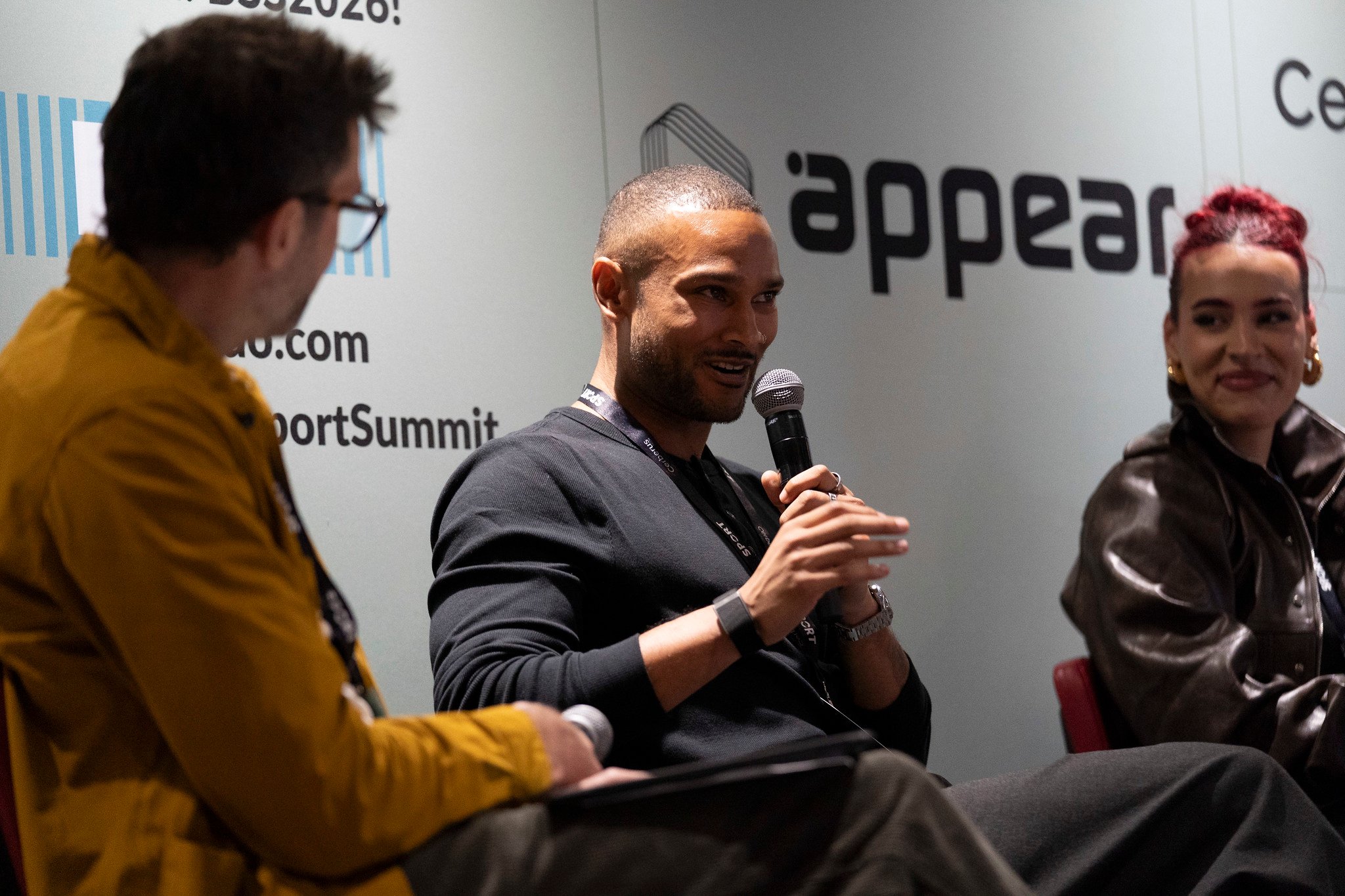
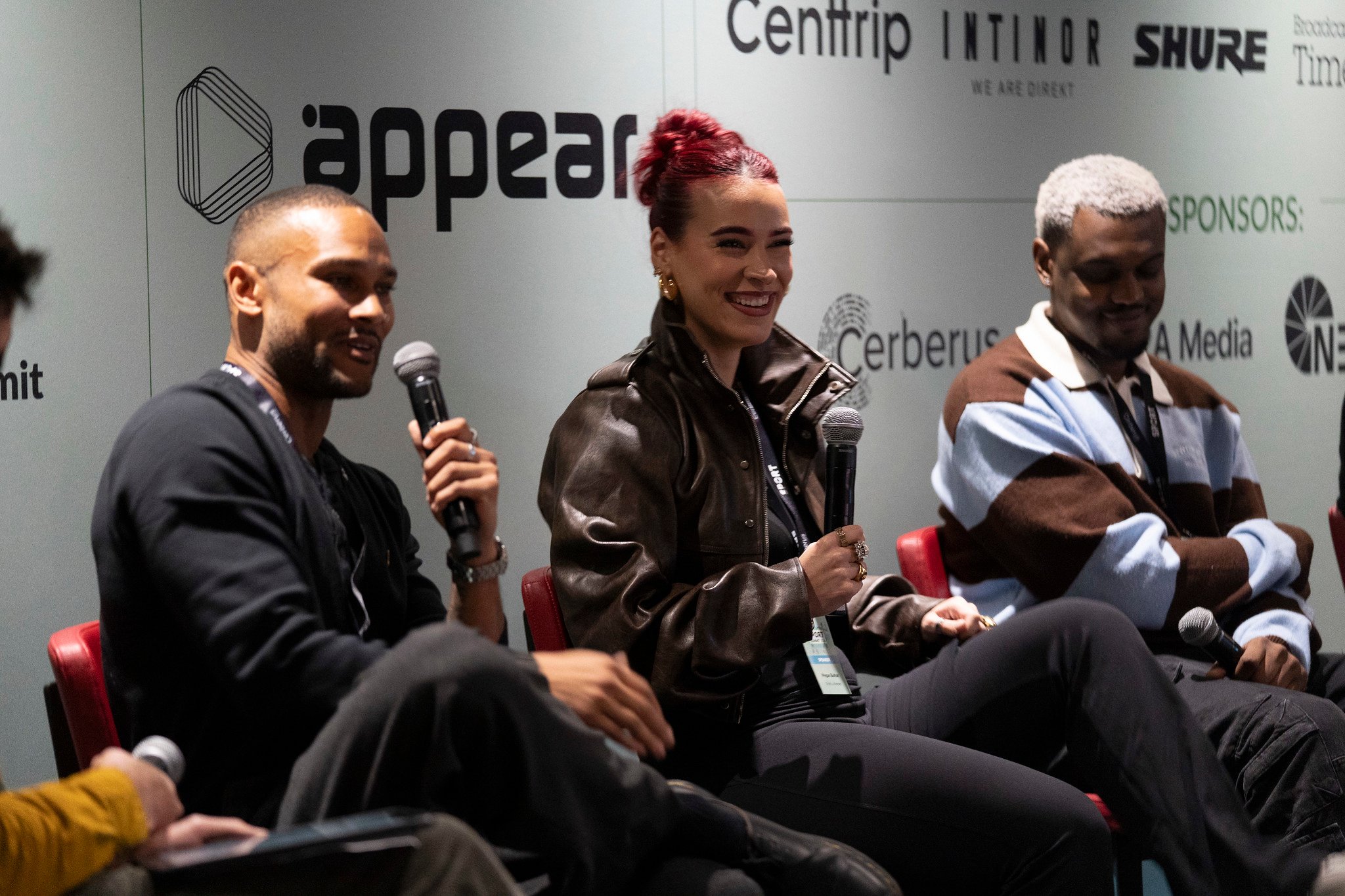
At the recent Broadcast Sport Summit, a panel featuring Hayden Clottey (Inter Talent), Karel Prince (Creator), Stevie Middleton (Commissioning Editor, BBC Sounds), Megan Bolton (Creator) and hosted by Sport Social’s Director of Sport Jim Salveson, explored what happens when fan media, podcasting, social platforms and traditional broadcasters collide.
There was one clear takeaway: the future of sports media is not a battle for audience between creators and broadcasters. It is creators and broadcasters learning how to work together.
The Fan Journey Has Changed
When asked about the single biggest shift in sports media consumption over the last five years, every panelist pointed towards changing audience behaviour.
"People consume sport now on TikTok in its various formats" said Hayden Clottey. "Not everyone is as fortunate these days to watch live sport, so fans have become more creative in how they access and experience it"
That observation reflects a broader reality across the industry. For many fans, discovery now happens on social platforms long before they ever reach a broadcaster, rights holder or publisher. Social is increasingly the front door to sports content.
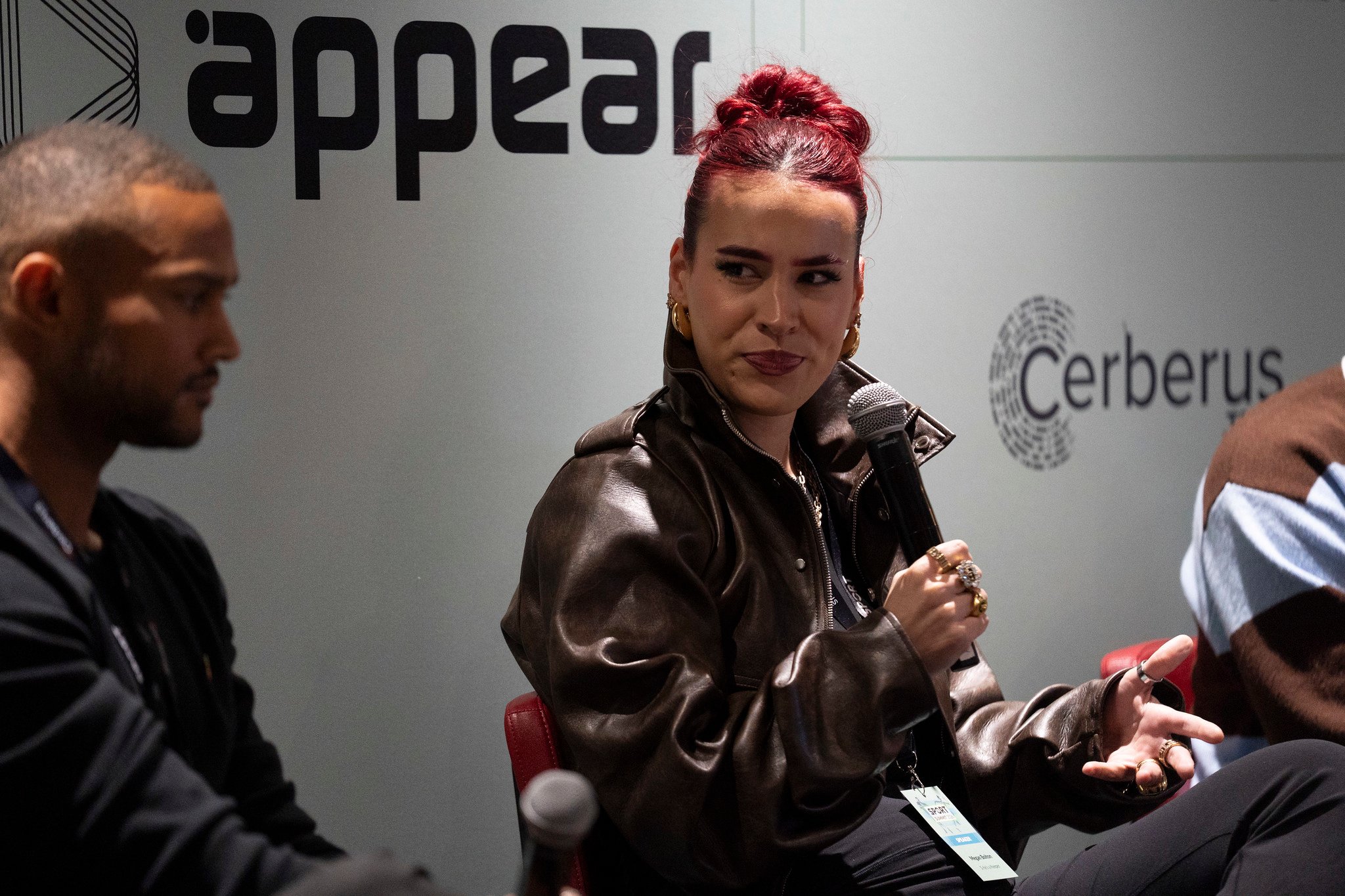
Megan Bolton offered perhaps the most revealing example.
“It's so funny because I would have said podcasts, but even with podcasts now it's often just short clips. How I consume a sports podcast might be through a 30-second clip on TikTok.”
Megan Bolton
The modern sports fan no longer experiences content through a single platform. A podcast becomes a TikTok clip. A television segment becomes a YouTube short. A creator reaction becomes part of the wider conversation around an event.
The Power Has Returned To Fans
One comment from Karel Prince perfectly illustrated a shift in dynamic between broadcaster and audience:
"The power has gone back to the people.”
Karel Prince
For decades, major media organisations controlled production, distribution and access. The huge growth of social platforms have democratised all three.
Fans are no longer just happy to consume whatever sport content they are fed, designed and delivered for a mass audience. They are creating communities, building audiences and developing influential media brands around their own perspectives and those who share their views.
Prince argued that audiences increasingly seek authentic fan voices, unique perspectives and personalities that feel closer to their own experiences.
For rights holders and broadcasters, this represents a significant opportunity rather than a threat but the question remains; ‘How do they deliver the right content for those audiences?’
Authenticity Is Key
A recurring theme throughout the session was authenticity, and it goes a long way towards answering that question.
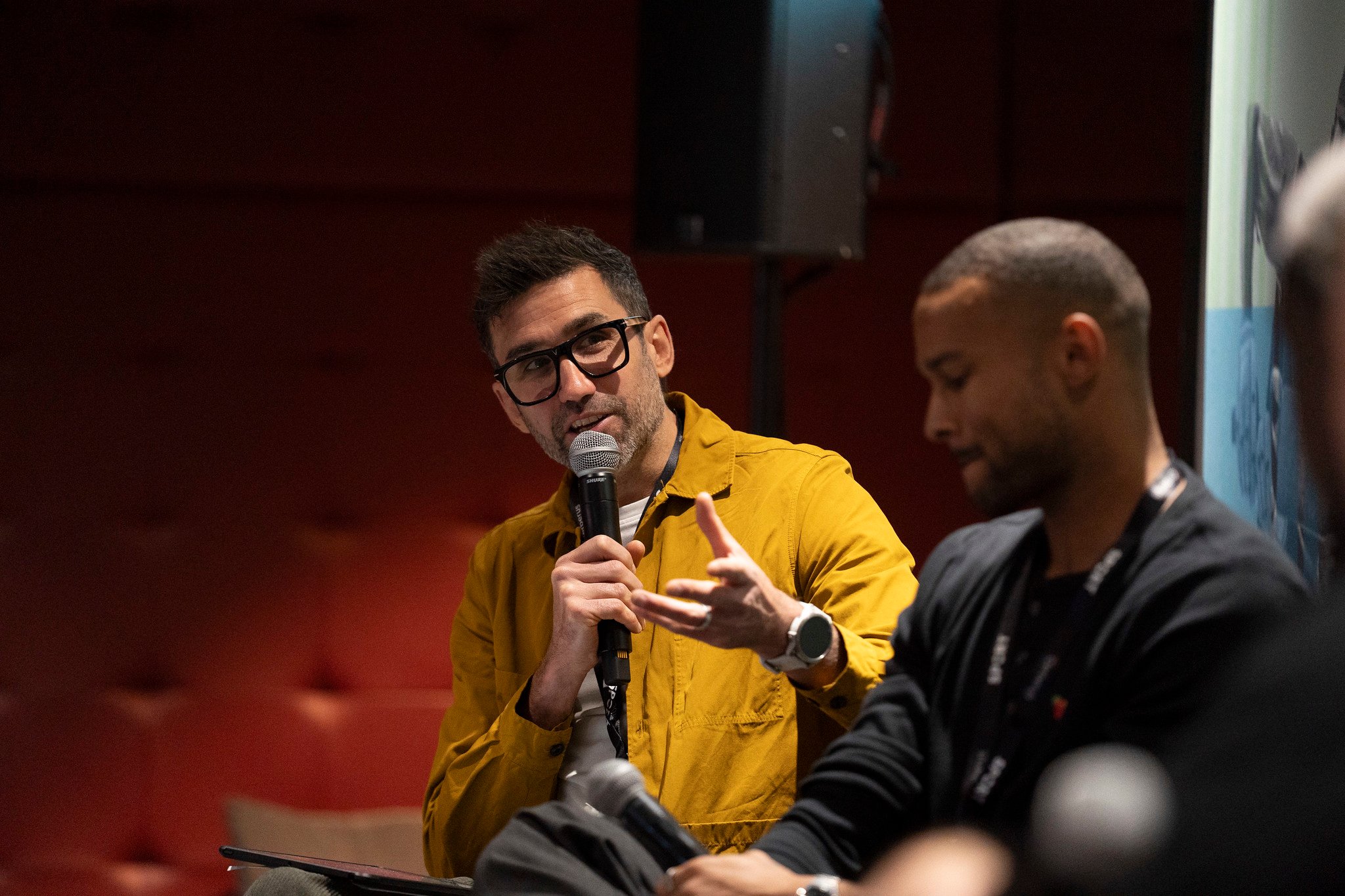
BBC commissioning editor Stevie Middleton was unequivocal.
“As soon as it feels not authentic, it's a waste of time. Audiences smell that a mile off.”Stevie Middleton
That sentiment was reinforced by Hayden Clottey, who regularly works with creators, broadcasters and brands through InterTalent.
“When organisations work with creators they're still briefing them within an inch of their life. Just let them take the wheel a little bit.”Hayden Clottey
The message was particularly relevant for rights holders and broadcasters looking to engage younger audiences. Success increasingly depends on trust. Not only the trust between brands and audiences, but the trust placed in creators themselves. Organisations may set objectives, but creators understand the formats, tone and communities that made them influential in the first place.
Audiences follow creators because they have distinctive voices and direct relationships with communities. Over-managing those relationships can dilute the very quality that made the partnership valuable in the first place.
Broadcasters Are Learning From Creator Culture
One of the more encouraging themes from the discussion was how much broadcaster attitudes have changed.
The conversation around creators used to focus on disruption. Today it increasingly focuses on collaboration.
Middleton explained that broadcasters must adapt to audience behaviour rather than expect audiences to adapt to them.
“We need to be direct to the audience and go where the audience are.”
Stevie Middleton
The BBC's growing focus on YouTube was highlighted as one example of that evolving approach.
Meanwhile, Hayden pointed towards another important trend: investment in creator-built communities and intellectual property.
“We're seeing organisations, broadcasters and brands wanting to invest in IP and ready-made YouTube accounts that already have an audience.”Hayden Clottey
That shift reflects growing recognition that creator businesses are not just social media channels. They are media properties with established audiences, formats and engagement.
Perhaps It's Time To Stop Calling Them Creators
The most interesting debate of the session was not about TikTok, podcasting or YouTube.
It was about language.
Middleton suggested that perhaps the industry should stop referring to people like Megan Bolton and Karel Prince as creators altogether and instead recognise them simply as talent (We do note the irony of using “Creators” throughout this article in lieu of another term!).
That idea clearly resonated, Creator as a term is somehow seen as beneath presenters, journalists and broadcasters and that needs to change!
Prince challenged the distinction directly.
If I've got a podcast and Wayne Rooney has a podcast, what's the difference?
Karel Prince
It's a powerful question because it forces the industry to reconsider how talent is identified and valued. The route into media may be different but the engagement and authority is not.
The organisations that thrive in this space over the next decade will not be those protecting old distinctions. They will be the ones embracing talent, audience communities and new ways of reaching fans.
Creators are already rewriting the the shape of sports media. The broadcasters and rights holders that embrace and collaborate with these new voices will be the ones who thrive over the next five years.
The discussion at the Broadcast Sport Summit made one thing clear. This is no longer a debate about whether creator-led media matters. It does. The organisations that will succeed over the next five years will be those that understand how audiences move between creators, platforms and traditional media, and build strategies that reflect those behaviours.
The future of sports media will not be built by broadcasters or creators alone. It will be built by both.